How to get kids to sleep on Christmas Eve: start with a familiar routine
For how to get kids to sleep on Christmas Eve, start with a familiar routine rather than a promise of sleep: finish the game, toilet, pajamas, teeth, one quiet story and goodnight. Agree the last turn before play ends, shorten the story after a late visit, and keep tomorrow’s surprises for morning.
FAMILY AI APPS · HOLIDAY EXAMPLE
Our Christmas Eve bedtime
The celebration ends; our familiar steps begin · Ages 3–6
- Finish the gameOne last turn, then put it away
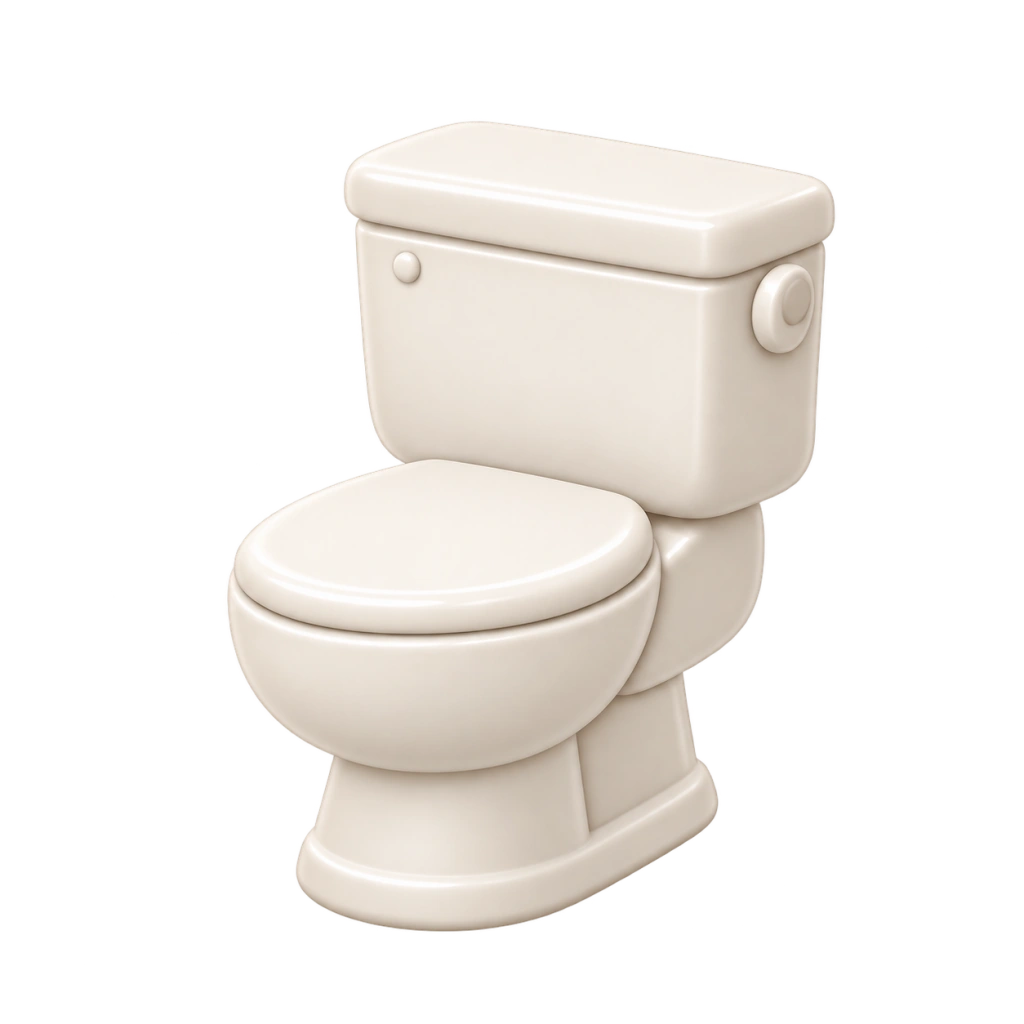 Use toilet
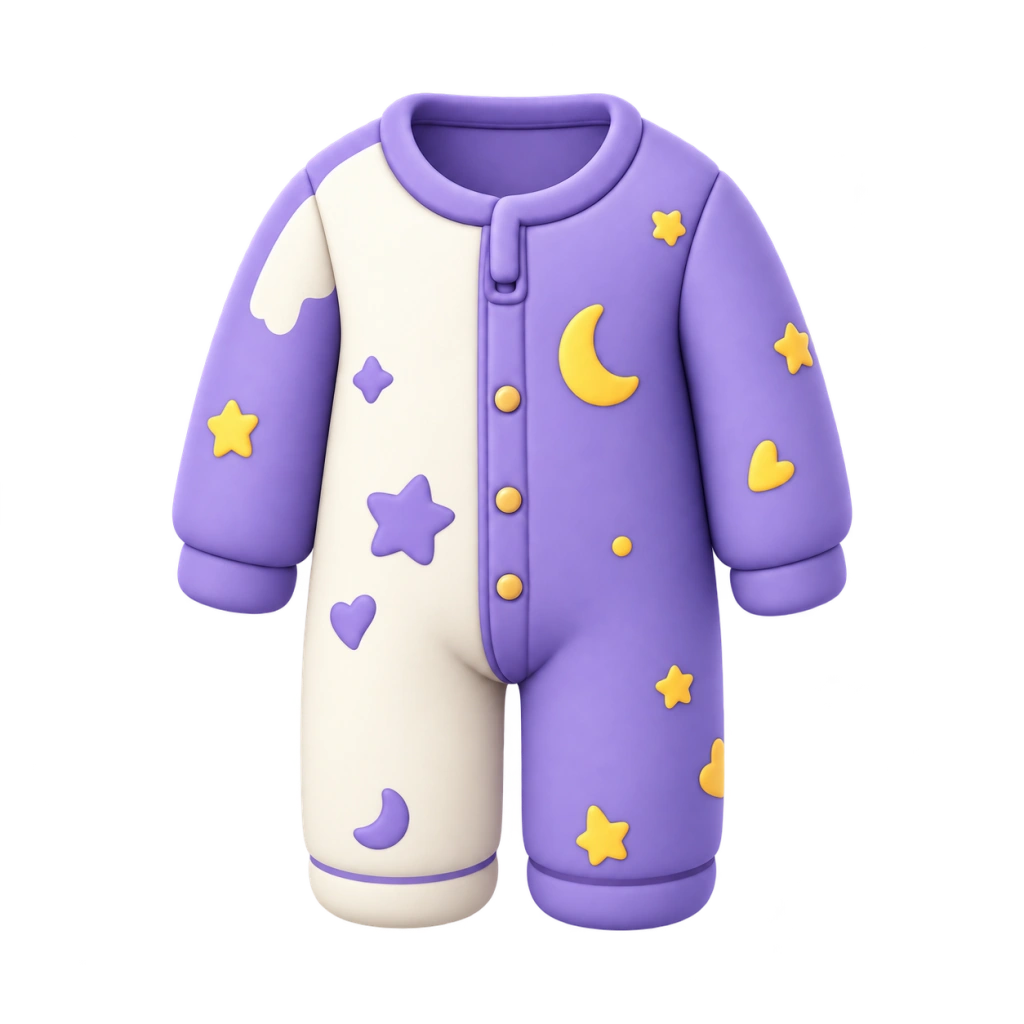 Put on pajamas
 Brush teeth
 One quiet story
 Say goodnight
Short version / morning boundary
Late night: keep toilet, pajamas and normal teeth care; swap a long story for a short song.
Morning boundary: tomorrow’s surprises wait until morning. No promise of sleep.
An example to build in Routina, not a built-in routine. Official artwork where it fits; plain text for other actions.
familyaiapps.com/guides/christmas-eve-bedtime-routine
Use this in Routina
Build these example picture steps for your family in Routina, or keep using the free paper board.
Get Routina on the App Store · Get Routina on Google Play
An exciting evening needs a clear handoff, not a threat about presents. This Christmas Eve bedtime routine gives kids aged 3–6 an ordinary ending to an unusual day, including families who do not use Santa framing.
Parent prep: make the event-to-bed handoff visible
Before the evening gets busy, put pajamas, toothbrush and one agreed book where bedtime will happen. Agree with the other adults when the last game or visit ends. Keep holiday traditions before the bedtime steps, not as surprises added after goodnight.
Give a specific game-ending script: This is our last turn. Then the game goes in its box and we start pajamas and teeth after the toilet. You can choose the striped pajamas or the plain ones. Use a real last turn, not one that is announced three times. If the game has no turns, choose a clear stopping point, such as finishing the current drawing.
Full version: end the activity, then follow the familiar order
The board starts with the handoff: finish the game, toilet, pajamas, teeth, one quiet story and goodnight. Use your usual brushing routine and help. If a bath belongs in your ordinary evening and there is time, do it before the toilet and pajama sequence. Do not add one just to make Christmas Eve special.
Acknowledge excitement without reopening every step: You want another game. We can play tomorrow. Tonight we have finished the game, and this is our toilet picture. If your child is upset, listen and help before trying to move on.
Short version when the visit ends late
Put the finished game row in done. Keep toilet → pajamas → teeth → a tiny story or song → goodnight. Keep normal toothbrushing and the help your child needs. Shorten extras, not care. Tell your child about the shorter story before the story step arrives.
Use: We got home late, so tonight our book is a short song. First pajamas, then teeth, then I will sing our song. Avoid opening gifts, watching the evening’s photos or starting a new game after returning. A quiet familiar book or sitting together can replace a festive story that brings more excitement.
Show just two bedtime steps when the whole board feels busy
Keep the everyday bedtime anchors
At someone else’s house
Ask where your child will sleep and which bathroom you can use. Bring the ordinary bedtime items where you can reach them. Show the bed and bathroom before starting, and let relatives know you will return to the conversation after the bedtime handoff if that fits your plans.
If you are leaving for home, say: One last turn, then we say goodbye and go home. Bedtime starts at home. Do not check off pajama or goodnight rows during the visit if those tasks have not happened. If you are staying there, the familiar order stays while the room changes. Your child may need more help than at home.
Plan the travel and arrival stages separately
One small choice, a quiet alternative, and tomorrow’s boundary
Offer one small choice such as which pajamas or which of two familiar books, not whether bedtime will happen. If the festive book sparks another long conversation, use a quiet non-holiday book or a familiar song instead. No Santa story is needed.
Say: We will look at tomorrow’s surprises in the morning. Tonight ends with our story and goodnight. Do not make sleep a condition for gifts or celebrations. The routine cannot guarantee sleep or a particular wake-up time; it simply gives the evening an ending.
Prepare morning without putting it on tonight’s board
Lay out clothes and decide a simple breakfast before your own evening ends. If you are going out, check the bag then. Agree when morning celebrations begin in words that fit your home, rather than adding a new picture after goodnight.
These holiday boards are examples families can build, not built-in Routina routines. The separate official PDF download still contains the actual default Morning Routine and Bedtime Routine with official artwork and editable blanks.
Download the exact official morning and bedtime routines with editable blanks
Use a first–then pair for one transition
Keep the familiar everyday bedtime sequence
Borrow the evening-before morning preparation
Related holiday guides
Plan a five-step Thanksgiving gathering
Keep travel and arrival bedtime separate
Questions parents ask
- How do we end a Christmas Eve game before bedtime?
- Agree a real last turn or stopping point. Say that the game goes away after it, then show the toilet, pajamas and teeth steps. Keep one small choice inside the routine.
- What can change on a late Christmas Eve night?
- Keep toilet, pajamas, normal toothbrushing and goodnight. Swap a long story for a tiny story or quiet song, and leave morning surprises for tomorrow. The sequence does not guarantee sleep.
Download morning and bedtime picture cards
Try it with Routina
Use picture steps in Routina for a routine your family builds together.